Spicy Korean Gochujang Stir-Fried Noodles with Vegetables
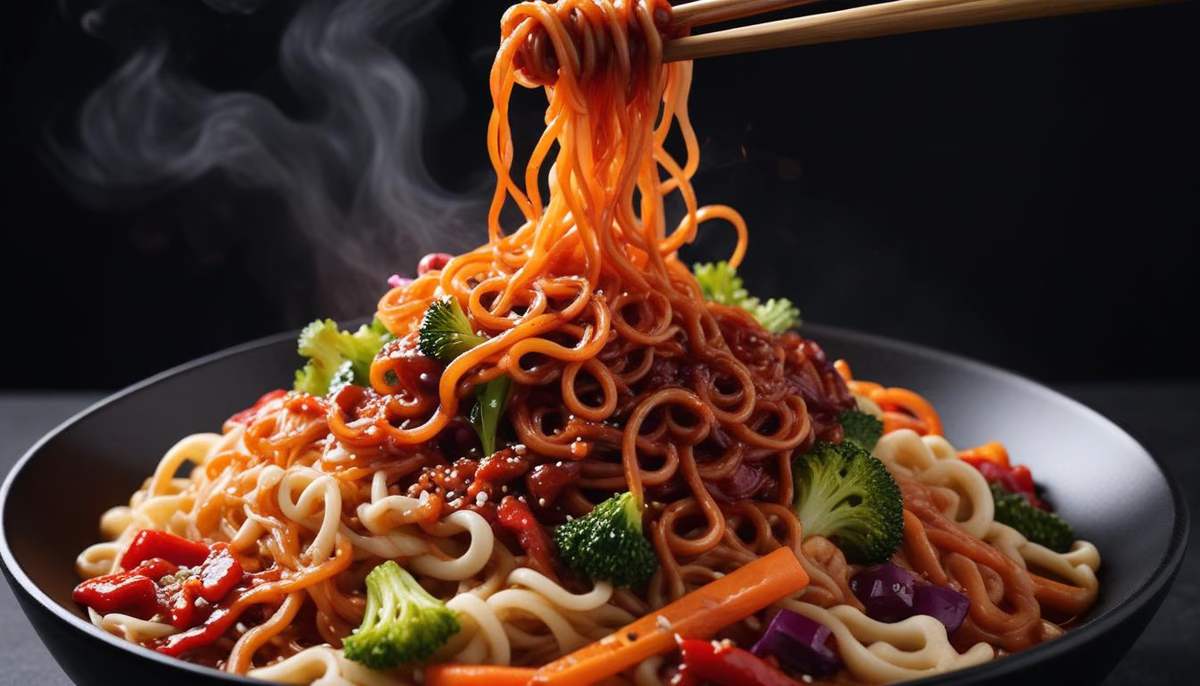
These fiery Korean noodles feature chewy udon or wheat noodles tossed in a spicy-sweet gochujang sauce with colorful vegetables and sesame seeds. Ready in under 30 minutes, this vegetarian stir-fry delivers bold Korean flavors with the perfect balance of heat, sweetness, and umami. Customize the spice level to your preference.
Ingredients
Nutrition Facts
Instructions
-
1
Cook noodles according to package directions. Drain, rinse with cold water to stop cooking, and set aside.
💡 Pro Tip: Toss noodles with a tiny bit of sesame oil to prevent sticking. -
2
In a small bowl, whisk together gochujang, soy sauce, sesame oil, rice vinegar, and honey until smooth. This is your sauce.
-
3
Heat vegetable oil in a large wok or skillet over high heat until shimmering. Add carrots and bell pepper, stir-fry for 2 minutes until slightly softened but still crisp.
-
4
Add cabbage and garlic, stir-fry for another 2 minutes until cabbage begins to wilt.
-
5
Add cooked noodles and green onions to the wok. Pour the gochujang sauce over everything.
-
6
Using tongs, toss everything together vigorously for 2-3 minutes until noodles are evenly coated and heated through. The noodles should be glossy and vibrant red.
💡 Pro Tip: High heat and constant tossing is key - this creates that characteristic wok flavor. -
7
Taste and adjust seasoning - add more gochujang for heat, honey for sweetness, or soy sauce for saltiness. Serve immediately, garnished with sesame seeds.
👨🍳 Chef's Tips
Control the heat level by adjusting gochujang amount - start with 2 tablespoons for mild, use 4+ for very spicy. Add protein like tofu, shrimp, or sliced beef for a heartier meal. Gochugaru (Korean chili flakes) adds extra heat and authentic flavor. Fresh vegetables are key - don't overcook them or they'll become mushy.
🔄 Substitutions
Can't find gochujang? Mix sriracha with miso paste and a touch of sugar. Use any noodles you have - ramen, soba, or even spaghetti work. Swap vegetables freely - mushrooms, bok choy, snap peas, or broccoli all work great. Rice vinegar can be replaced with apple cider vinegar.
📦 Storage
Best eaten fresh, but leftovers keep for 2 days in the refrigerator. The noodles will absorb more sauce and become softer. Reheat in a skillet with a splash of water, stirring frequently. Add a drizzle of sesame oil when reheating to refresh the flavors. Not recommended for freezing.