Korean Bibimbap Bowl with Gochujang Sauce and Crispy Fried Egg
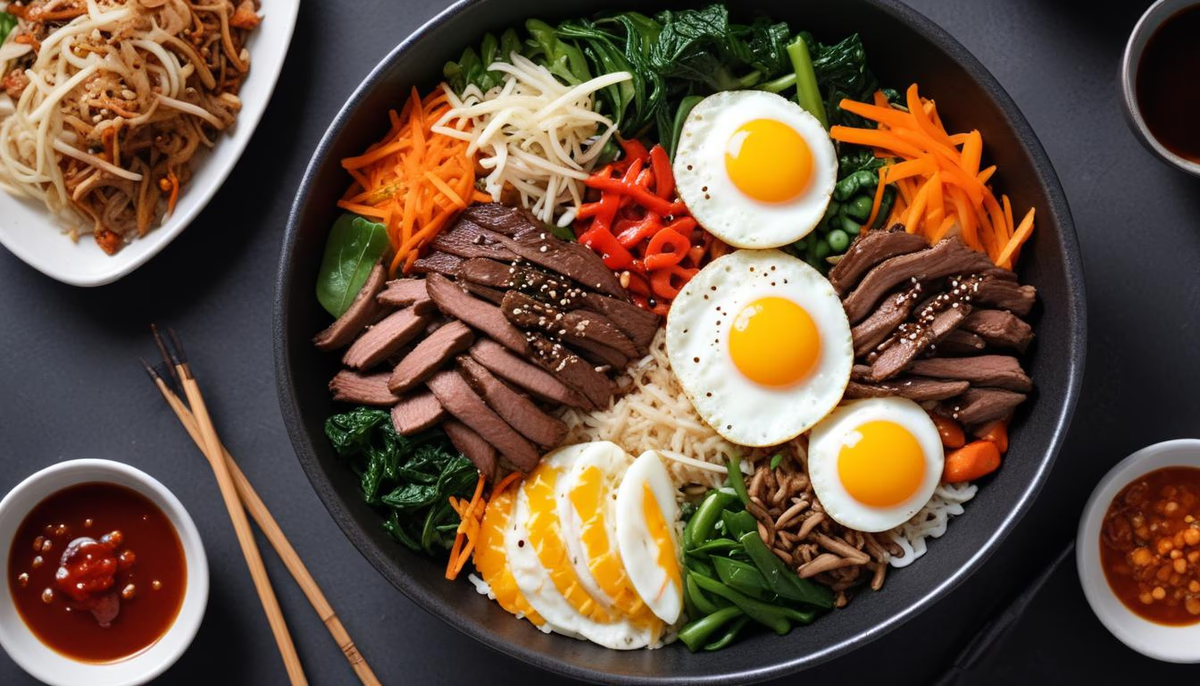
Bibimbap is Korea's most iconic rice bowl featuring an array of colorful vegetables, marinated beef, and a perfectly fried egg all mixed together with spicy-sweet gochujang sauce. Each ingredient is prepared separately for maximum flavor, then combined in a beautiful presentation. Mix everything together just before eating for an explosion of textures and tastes.
Ingredients
Nutrition Facts
Instructions
-
1
Make gochujang sauce by whisking together gochujang, sesame oil, honey, rice vinegar, and 1 clove minced garlic. Set aside.
-
2
Marinate beef slices in 1 tablespoon soy sauce, 1 tablespoon sesame oil, and remaining garlic for 15 minutes.
-
3
Blanch spinach in boiling water for 30 seconds, drain, squeeze out water, and season with salt and a drizzle of sesame oil.
💡 Pro Tip: Prepare each vegetable separately to maintain distinct flavors and textures. -
4
Sauté carrots in a pan with a little oil for 2-3 minutes until tender-crisp. Season with salt. Remove and set aside.
-
5
Repeat sautéing separately with bean sprouts, mushrooms, and zucchini, seasoning each with salt. Each should take 2-3 minutes.
-
6
Cook marinated beef in a hot pan for 2-3 minutes until browned and cooked through.
-
7
Fry eggs sunny-side up with crispy edges.
-
8
To assemble: Place warm rice in bowls. Arrange vegetables and beef in sections on top of rice like a color wheel. Place fried egg in the center. Drizzle with gochujang sauce and sprinkle with sesame seeds. Mix everything together before eating!
👨🍳 Chef's Tips
Prep all ingredients before you start cooking - mise en place is key for this dish. For vegetarian version, omit beef and add tofu or extra mushrooms. Kimchi makes a great additional topping. Traditional bibimbap is served in a hot stone bowl (dolsot) which creates crispy rice on the bottom - you can achieve this by pressing rice into a hot cast iron skillet before assembling.
🔄 Substitutions
Ground beef or chicken can replace sirloin. Use any combination of vegetables you have - common additions include cucumber, radish, or bok choy. Sriracha mixed with ketchup and sesame oil can substitute for gochujang in a pinch. Regular rice works if you don't have short-grain. Toasted sesame seeds add more flavor than raw.
📦 Storage
Store rice, vegetables, and beef separately in airtight containers for up to 3 days. Reheat components separately and assemble fresh. Fry eggs fresh when serving. The gochujang sauce keeps for 2 weeks in the fridge. This makes excellent meal prep - just pack components separately and assemble when ready to eat.
You Might Also Like
 Medium
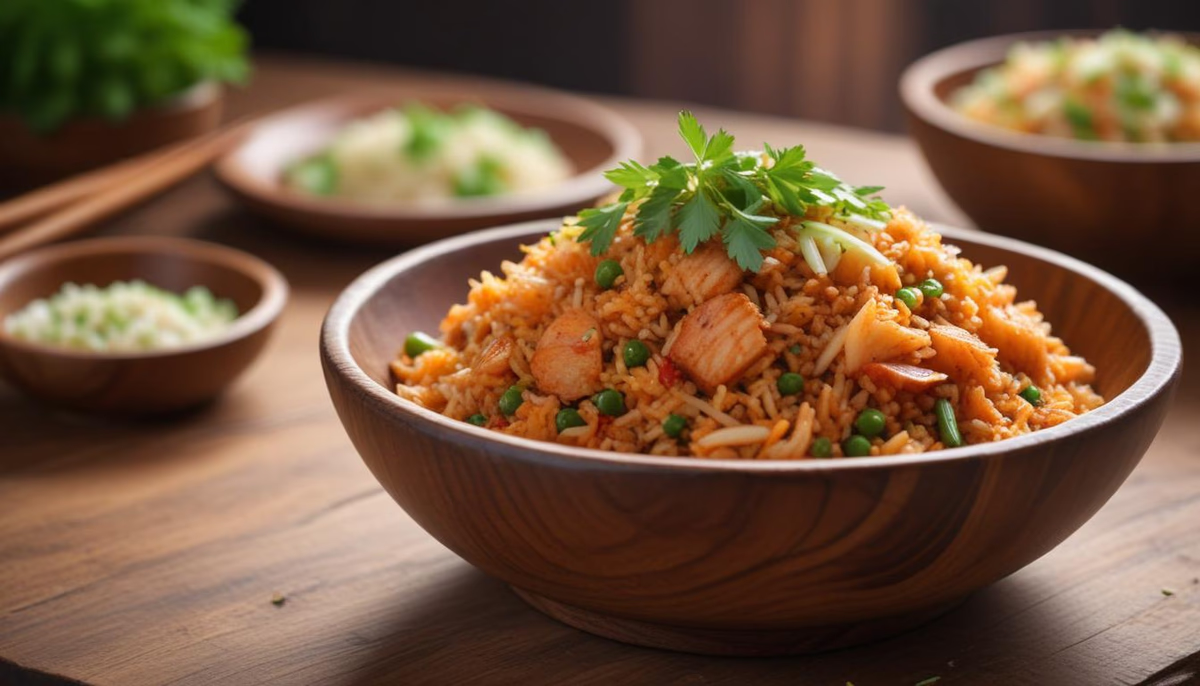
Korean Kimchi Fried Rice
 Medium